
Can Invisalign Fix Crowding Without Extractions?
March 10, 2026
Are You Brushing Too Hard? Signs of Enamel Wear
March 17, 2026 Dr. Logan Reiter, DDS, a Maryland native and General Dentist in Matthews, North Carolina, specializes in preventive care, cosmetic dentistry, and restorative treatments.
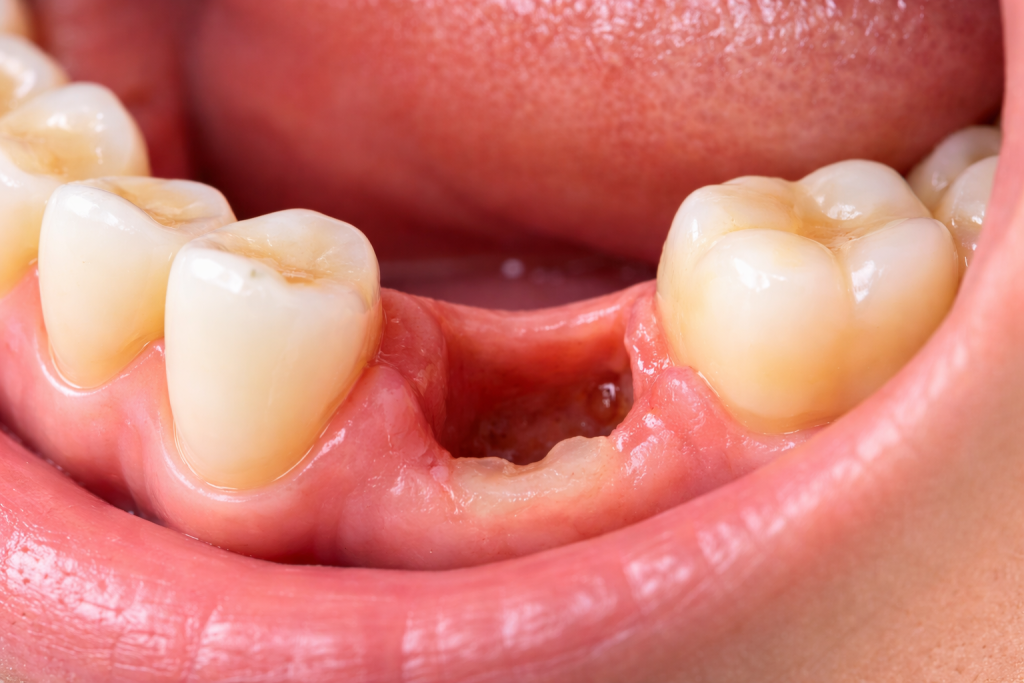
Hey, have you ever wondered what happens if you ignore a missing tooth? It might seem like no big deal at first, but over time, it can lead to shifting teeth, jawbone loss, and even bigger health issues. Stick around to see the real effects and when it’s time to get it fixed.
Key Takeaways:
- Ignoring a missing tooth causes adjacent teeth to shift, leading to crowding, misalignment, and bite problems over time.
- Jawbone loss occurs without tooth root stimulation, weakening structure and altering facial appearance.
- Increased risks of gum disease, infections, and long-term complications like tooth decay and nutritional issues arise.
Immediate Effects of Ignoring a Missing Tooth
Leaving a missing tooth untreated can trigger noticeable discomfort and functional issues right away, disrupting your daily routine. You might feel sharp sensitivity when biting down on hard foods like nuts or apples. This happens because the gap exposes nearby nerves and tissues to pressure.
Chewing difficulties become a daily hassle without prompt attention. Food slips into the empty space, making every bite uneven and tiring. Over time, you may favor one side of your mouth, leading to jaw fatigue by the end of meals.
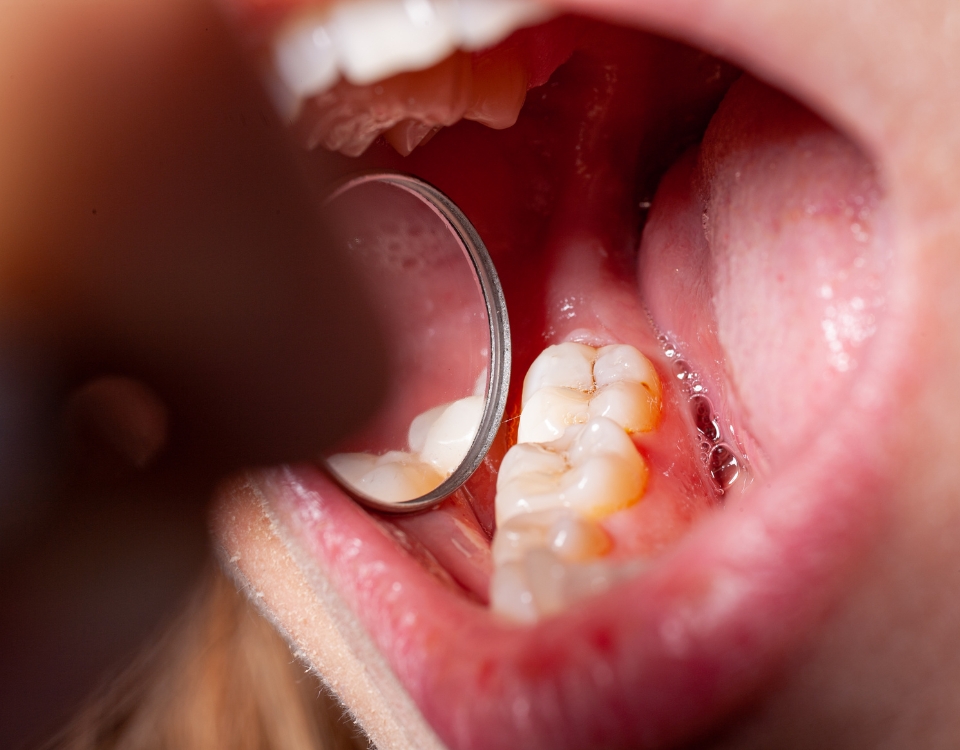
Food trapping in the gap causes ongoing irritation and soreness around the area. Particles like bits of bread or meat lodge there, rubbing against gums and creating a constant nagging feeling. Brushing alone often fails to clear it fully, heightening the urge to poke at the spot.
Raising awareness of these immediate effects helps prevent escalation when you ignore a missing tooth. Notice the discomfort during routine activities like eating or speaking, and consider professional evaluation early. Simple steps like gentle rinsing can offer temporary relief while you plan next actions.
Shifting and Crowding of Adjacent Teeth
Without the support of a neighboring tooth, adjacent teeth often drift into the empty space, causing misalignment over time. The natural pressure from chewing exerts constant force that pulls teeth together. This gradual shift disrupts the balance of your dental arch.
Over months or years, this drifting leads to visible crowding in your smile. Teeth may overlap or tilt, making your smile look uneven. What happens if you ignore a missing tooth becomes apparent in photos or mirrors as aesthetics suffer.
You can catch early shifts by monitoring gaps with dental floss. Floss daily and note if the space feels wider or if floss catches differently on nearby teeth. Schedule dental checkups every six months to track changes before crowding worsens.
Simple habits help prevent severe issues. Chew evenly on both sides to minimize uneven pressure. Consider orthodontic evaluation if you notice tilting, as early intervention maintains alignment and smile harmony.
Bone Loss in the Jaw
The jawbone beneath a missing tooth begins to deteriorate without the stimulation provided by tooth roots. Tooth roots normally press against the bone during chewing, signaling it to stay strong and dense. Without this pressure, the body starts a process called bone resorption, where the jawbone breaks down and loses volume over time.
This bone loss happens gradually but can lead to noticeable changes in your facial structure. You might see facial hollowing or a sunken appearance around the mouth, especially if multiple teeth are missing. Shifting teeth nearby can worsen the issue, creating uneven pressure and speeding up the resorption.
Dentists often spot early signs during routine exams, like receding gums or loose adjacent teeth. Ignoring a missing tooth accelerates this problem, making future treatments harder. Expert recommendations include addressing gaps quickly to preserve bone health.
To prevent severe bone loss, dentists commonly suggest dental implants or bone grafts. Implants act like artificial roots, providing the needed stimulation to maintain jawbone density. Bone grafts rebuild lost volume before placing restorations, helping avoid complications from what happens if you ignore a missing tooth.
Gum Disease and Infection Risks
An empty socket becomes a trap for food particles and bacteria, heightening the chance of gum inflammation and infections. Without a tooth to shield the area, plaque buildup starts quickly. This leads to gingivitis, the early stage of gum disease.
Plaque hardens into tartar if not removed, irritating the gums around the missing tooth. Bacteria thrive in this environment, causing the gums to pull away from the socket. Over time, this can deepen into periodontitis, a more serious condition.
Common symptoms of gingivitis include swollen gums, bleeding during brushing, and persistent bad breath. You might notice redness or tenderness near the empty space. In advanced cases, pus or pain signals infection.
- Swollen or puffy gums around the socket
- Bleeding when you floss or brush nearby
- Tenderness or pain when chewing
- Persistent bad breath or a bad taste
- Gums that recede, exposing roots
For immediate relief, try gentle rinsing with saltwater as a first-aid step. Mix half a teaspoon of salt in warm water and swish several times a day. This helps reduce bacteria, but it does not replace professional care.
Experts recommend seeing a dentist promptly for professional cleaning to remove plaque and tartar. Ignoring a missing tooth raises these risks, so address the gap to prevent worsening gum disease. Early action keeps your oral health stable.
Changes in Bite Alignment
A missing tooth throws off the balance of your bite alignment, forcing uneven pressure on remaining teeth during chewing. Over time, this leads to jaw strain as your mouth compensates by shifting how you bite down. What happens if you ignore a missing tooth becomes clear when everyday tasks like eating become uncomfortable.
Consider someone missing a molar on one side. They might start chewing more on the opposite side, causing those teeth to wear down faster. This overcompensation often results in frequent headaches from tense jaw muscles working overtime.
Another issue is TMJ-related discomfort, where the temporomandibular joint faces extra stress. You could feel pain near your ears, clicking sounds when opening your mouth, or even limited jaw movement. Dental experts note these symptoms worsen without intervention.
For interim relief, dental experts recommend bite guards worn at night to stabilize your bite and reduce strain. These custom or over-the-counter options help prevent further shifting while you plan tooth replacement. Addressing bite changes early avoids long-term complications from ignoring a missing tooth.
Impacts on Facial Structure
Prolonged neglect of a missing tooth can subtly alter your facial contours as supporting bone and soft tissues shrink. Over time, this leads to a less defined jawline and changes in your profile. What happens if you ignore a missing tooth becomes visible in everyday mirrors or photos.
Imagine noticing sunken cheeks after months without replacement, making your face look older or tired. The jawbone resorption pulls soft tissues inward, flattening areas around the mouth. This shift affects your overall appearance and smile confidence.
Effects differ between upper jaw and lower jaw losses. An upper tooth gap may cause the upper lip to collapse inward, creating a hollow look under the nose. Lower jaw absence often shifts the chin backward, altering bite alignment and facial balance.
Restoration options like dentures or implants help maintain your profile by stimulating bone health. Dentures provide immediate support to prevent further shrinkage. Addressing the issue early preserves your natural facial structure effectively.
Long-Term Health Complications
Over years, ignoring a missing tooth sets off a chain reaction that compromises overall oral and potentially systemic health. What happens if you ignore a missing tooth becomes clear as surrounding teeth shift over time. This leads to bite misalignment and added strain on your jaw.
Chewing becomes uneven, so people often avoid tough foods like steak or nuts on one side. This habit sparks nutritional deficits because you miss out on essential vitamins from a varied diet. Over time, poor nutrition weakens your immune system and oral tissues.
Chronic inflammation from the gap and shifting teeth can spread beyond the mouth. Research suggests links to heart health risks through ongoing bacterial buildup. Experts recommend comprehensive exams to catch these issues early.
Holistic impacts include jaw pain, headaches, and even digestive problems from improper food breakdown. Regular dental checkups help monitor these changes. Addressing the missing tooth promptly prevents this cascade of complications.
When to Seek Dental Treatment
Don’t wait for pain to intensify-recognize key signs that signal it’s time to consult your dentist about a missing tooth. Ignoring these can worsen issues like shifting teeth or jaw problems. Early action prevents bigger complications from what happens if you ignore a missing tooth.
Look for persistent discomfort, such as ongoing soreness in your gums or jaw. Notice if nearby teeth start to tilt or move visibly when you check in a mirror. Changes in speech, like lisping, or trouble chewing also point to the need for care.
Follow this simple 1-2-3 check at home. First, inspect your mouth in a mirror for gaps or shifts. Second, test your bite by clenching gently-note any uneven pressure or pain. Third, call your dentist if you spot issues, as they can assess the impact.
- Visible shifts in teeth alignment over weeks
- Speech changes, such as slurring certain sounds
- Persistent gum sensitivity or swelling near the gap
- Difficulty biting into foods like apples without slipping
Distinguish between emergency visits and routine ones. Seek immediate help for severe pain, swelling, or infection signs like pus. For subtler changes, schedule a routine check to explore options before problems from ignoring a missing tooth escalate.