
Are DIY Dental Trends Safe? Oil Pulling, Whitening Hacks, TikTok
March 24, 2026
How Oral Health Impacts Heart Health
April 7, 2026 Dr. Logan Reiter, DDS, a Maryland native and General Dentist in Matthews, North Carolina, specializes in preventive care, cosmetic dentistry, and restorative treatments.

Introduction to Failing Dental Work
Hey, if you’ve got some older fillings, crowns, or bridges that don’t feel quite right anymore, you’re not alone-it’s pretty common as time goes on. Signs your old dental work may be failing can sneak up like sensitivity to hot or cold, or a loose fit. Stick around to spot them early and keep your smile in check.
Key Takeaways:
- Persistent pain or sensitivity around old fillings, crowns, or bridges signals potential failure; don’t ignore it as it may indicate cracks or decay beneath.
- Visible cracks, chips, looseness, or discoloration in restorations means they’re failing and need prompt professional evaluation.
- Changes in bite alignment, gum inflammation, bad breath, or swelling suggest infection or poor fit-see your dentist immediately to prevent further damage.
Pain and Sensitivity
Unexplained pain or heightened sensitivity often signals that old dental work is cracking, leaking, or no longer protecting the tooth beneath. Persistent discomfort when biting, drinking hot or cold liquids, or even breathing on teeth points to signs your old dental work may be failing. This issue can disrupt daily activities if ignored.
These symptoms arise when fillings, crowns, or other restorations degrade over time. Exposed dentin or nerve endings cause sharp reactions. Experts recommend monitoring changes closely for timely intervention.
Common triggers include temperature shifts or pressure from chewing. If pain lingers beyond a few seconds, it warrants attention. Tracking patterns helps identify the problem tooth.
Sharp Pain When Chewing
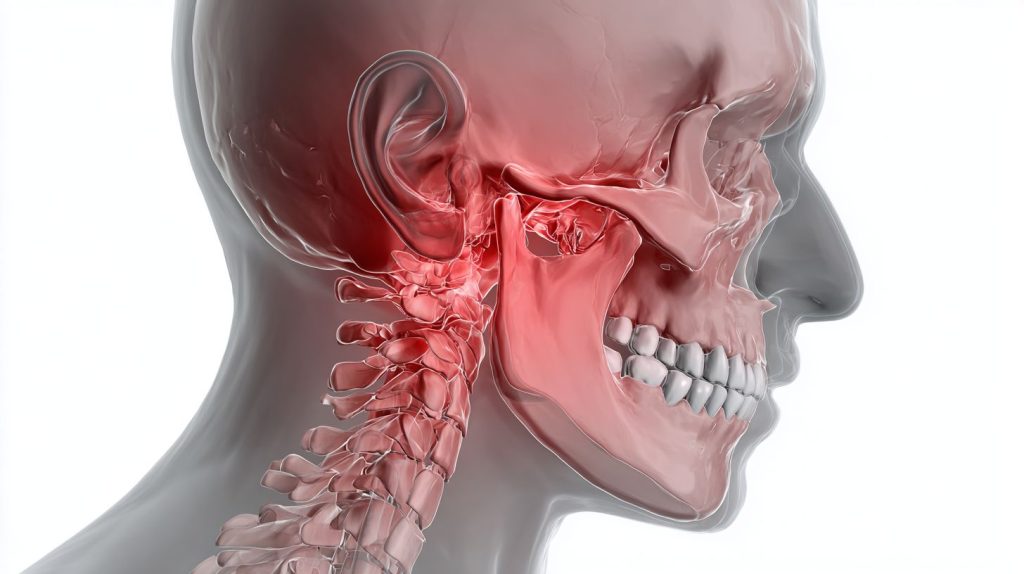
Sharp pain during chewing often means a filling or crown has cracked or loosened. This exposes sensitive inner layers of the tooth. Note if the pain radiates to your jaw or ear, as this could indicate deeper issues.
Avoid hard foods like nuts or tough meats temporarily to reduce strain. Log the frequency and intensity of episodes in a notebook or app. Share these details with your dentist for accurate diagnosis.
Chewing on the opposite side provides relief while you schedule a visit. Persistent pain suggests the restoration no longer seals properly. Early action prevents further damage to the tooth structure.
Examples include sudden jolts when biting into an apple or steak. If over-the-counter pain relievers help only briefly, professional evaluation is essential. This symptom ties directly to failing dental work.
Sensitivity to Temperature or Sweets
Sensitivity to hot, cold, or sweets exposes nerves under compromised dental work. A simple test with ice water can confirm the issue if it triggers lingering discomfort. This is a classic sign of leakage or wear in old restorations.
Switch to desensitizing toothpaste like Sensodyne for daily relief. Brush gently and avoid extreme temperatures in food and drinks. Improvement may take a few weeks with consistent use.
Flag it immediately if sensitivity worsens suddenly or spreads to nearby teeth. This could mean the seal has fully broken, allowing bacteria entry. Rinse with lukewarm water after meals to minimize irritation.
For instance, sipping coffee or eating ice cream might cause sharp twinges. If symptoms persist despite home care, it signals old dental work failing. Dentists can repair or replace the affected piece promptly.
Visible Damage
Cracks, chips, or discoloration on old fillings and crowns are clear visual cues that the restoration is deteriorating and needs professional evaluation. Inspect your dental work daily in good light or with a mirror to catch issues early. What starts as a small chip can lead to bigger breaks if ignored.
Regular checks help spot signs your old dental work may be failing before pain sets in. Use a handheld mirror to view hard-to-see areas like back teeth. Good habits prevent minor damage from worsening over time.
Pay attention to changes after eating hard foods such as nuts or ice. These can stress old restorations. Early detection keeps problems simple and affordable to fix.
Experts recommend combining visual exams with gentle cleaning. This routine supports long-term oral health. Stay proactive to avoid emergency dental visits.
Cracks or Fractures in Fillings/Crowns
Cracks in old fillings or crowns often appear as thin lines under bright light. Use a dental mirror to check molars and premolars carefully. These fractures signal material fatigue from years of chewing pressure.
Avoid sticky foods like caramel or gum, as they pull on weakened restorations. Such habits worsen cracks quickly. Switch to softer options during inspection periods.
If you notice a sharp edge or rough texture, mark the date. This detail helps your dentist assess progression. Regular monitoring prevents fractures from spreading to the tooth underneath.
Research suggests early intervention preserves natural tooth structure. Schedule a check if lines deepen or multiply. Professional evaluation confirms if repair or replacement is needed.
Chips, Wear, or Dark Edges
Chips and wear on restorations show as missing pieces or flattened surfaces. Dark edges around amalgam fillings indicate corrosion or leakage. Photograph these spots clearly for your dentist’s review.
Gently polish amalgam with a soft-bristled brush and non-abrasive paste if edges feel rough. Do not force it, as this risks further damage. Examples include ragged borders on silver fillings after a decade.
Wear often appears on biting edges from grinding or tough foods like crusty bread. Track changes weekly with photos. This records progression accurately for treatment planning.
These signs your old dental work may be failing demand prompt attention to prevent decay underneath. Dentists can smooth chips or seal edges effectively. Maintain hygiene to slow further breakdown.
Changes in Bite or Fit
If your bite suddenly feels off or teeth no longer align comfortably, old dental work may have shifted, worn down, or come loose. These bite changes disrupt chewing and jaw comfort. They often stem from crown loosening or filling shrinkage.
Over time, materials in restorations can wear or settle differently. This leads to an uneven bite that strains your jaw. You might notice discomfort when biting into firm foods like apples or nuts.
Early detection helps prevent bigger issues like tooth damage or TMJ problems. Pay attention to how your teeth meet during meals. Persistent changes signal it’s time to check signs your old dental work may be failing.
Experts recommend monitoring bite alignment regularly. Simple daily checks can catch problems before they worsen. Addressing them promptly keeps your smile stable and pain-free.
Teeth Feeling Higher or Uneven
One clear sign is when certain teeth feel higher or uneven than before. This often happens as fillings settle or crowns lift slightly. Your jaw may ache from the mismatch during chewing.
Test this by gently tapping your teeth together. Focus on the back molars first, as they take the most force. If one spot feels prominent, it could indicate a failing restoration.
Professionals use articulating paper to mark high spots precisely. You can mimic this at home with thin foil if paper is unavailable. Markings show where contact is uneven, confirming the issue.
Ignore minor shifts at first, but track if pain builds. Examples include a restored molar hitting first, causing front teeth to miss alignment. This disrupts your natural bite rhythm over time.
Loose Crowns or Shifting Fillings
Loose crowns or shifting fillings create noticeable instability in your bite. They wobble under pressure, altering how teeth fit together. This can lead to food trapping or sensitivity.
Gently rock the suspected crown with your tongue. Feel for any movement that was not there before. A secure crown stays firm without shifting.
Use floss carefully to check for mobility around fillings. If it catches unusually or slips in easily, the material may have pulled away from the tooth. This exposes areas to bacteria and decay.
Common examples include a front crown loosening from clenching or a large filling migrating after years of use. Early checks prevent full replacement needs. Monitor daily to spot signs your old dental work may be failing quickly.
Gum Issues
Receding or inflamed gums around old restorations often mean bacteria are trapped due to failing seals or overhanging edges. Healthy gums fit snugly against teeth and restorations. Any irritation signals decay brewing underneath.
Old dental work like fillings or crowns can create traps for food particles and plaque. This leads to gum inflammation over time. Watch for changes as early signs your old dental work may be failing.
Regular checks help spot these issues before they worsen. Gentle care keeps gums healthier around aging restorations. Persistent problems call for professional evaluation.
Examples include tenderness when chewing or a metallic taste from hidden leaks. Addressing gum issues promptly prevents bone loss. Experts recommend monitoring daily for subtle shifts.
Red, Swollen, or Bleeding Gums
Red, swollen, or bleeding gums near old fillings signal trapped bacteria from poor seals. This common issue appears as puffiness or soreness during brushing. It serves as a key sign your old dental work may be failing.
Improve hygiene with a soft-bristled toothbrush to avoid further irritation. Use a water flosser to clean under edges without force. These steps reduce swelling over days.
Monitor gum recession depth by noting exposed roots. Rinse with warm saltwater for soothing relief. If bleeding persists beyond a week, seek dental advice.
For instance, gums around a silver filling might bleed after meals if the edge overhangs. Gentle massage with clean fingers aids circulation. Consistent care prevents escalation to infection.
Pockets or Gaps Forming
Pockets or gaps between gums and old restorations indicate seal breakdown, allowing debris buildup. These spaces deepen over time from decay or wear. They mark clear signs your old dental work may be failing.
Probe gently with floss to gauge pocket depth without injury. Rinse with saltwater for temporary relief and cleanliness. This practice dislodges particles effectively.
Avoid poking with sharp tools to prevent cuts. Track changes weekly by feeling for new gaps. Deeper pockets often lead to abscesses if ignored.
Consider a crown with a forming pocket that catches floss threads. Daily saltwater soaks calm inflammation. Professional cleaning removes hidden buildup for lasting improvement.
Bad Breath or Taste
Persistent bad breath or a metallic or rotten taste can stem from decay under old dental work where bacteria thrive unchecked. Unlike typical morning breath, this lingers despite brushing and flossing. It signals signs your old dental work may be failing.
Hidden leaks or gaps in crowns, fillings, or bridges trap food particles. Bacteria break them down, producing foul gases. This creates a constant issue that oral hygiene alone cannot fix.
Experts recommend monitoring when the odor worsens. Pay attention after sugary or starchy meals. These feed the bacteria, making the problem more noticeable.
Addressing this early prevents deeper decay. Schedule a dental check if symptoms persist. Professional cleaning reveals trapped debris under failing restorations.
Constant Foul Odor
A constant foul odor points to bacterial buildup beneath old fillings or crowns. Brushing and mouthwash provide temporary relief, but the smell returns quickly. This is a key sign your old dental work may be failing.
Check your tongue scraper effectiveness daily. If the odor lingers on your tongue or in your throat, decay may lurk underneath. Note patterns, like if it worsens after meals with bread or pasta.
Try rinsing with saltwater twice daily for mild relief. This reduces bacteria without harsh chemicals. Persistent issues suggest gaps allowing food to fester.
Examples include a crown edge lifting, trapping particles. Bacteria produce sulfur compounds, causing the stench. Dentists use X-rays to spot these hidden problems.
Unpleasant Metallic Taste
An unpleasant metallic taste often links to amalgam filling leaks. Corrosion releases tiny metal particles into saliva. This taste signals old dental work failing and needs attention.
Swish a baking soda solution as an interim aid. Mix half a teaspoon in warm water and rinse after meals. It neutralizes acids and eases the taste temporarily.
Notice if the taste strengthens with hot or cold foods. This indicates cracks exposing the metal core. Chewing gum may intensify it due to friction.
Real-world cases show old silver fillings expanding and contracting. This wears seals, causing leaks. A dentist can replace them with modern composites for lasting relief.
Swelling or Infection Signs
Swelling or infection signs from old dental work demand quick attention. Ignoring them risks rapid spread to deeper tissues or even the bloodstream. These signs your old dental work may be failing often point to abscesses under crowns, fillings, or roots.
Facial or gum swelling accompanied by throbbing pain are urgent indicators of abscesses from failed dental work allowing infection to spread. A loose filling or cracked crown can trap bacteria, leading to pus buildup. Prompt action prevents worse problems like jaw involvement.
Common triggers include poor seals in old restorations that let saliva and food particles invade. Experts recommend monitoring for changes after eating or at night when pain peaks. Early detection keeps issues local and treatable.
At-home steps like rinsing with warm salt water offer temporary relief. However, self-treatment alone misses the root cause from failing dental work. Always plan a dental visit to address the source.
Facial Swelling or Pimple-Like Bumps
Facial swelling or pimple-like bumps on gums signal trapped infection from deteriorating dental work. These appear as tender, red lumps near an old filling or crown, often with a bad taste. They indicate pus pushing through tissues as pressure builds.
For example, a patient might notice a small whitehead on the gum above a molar after years with the same restoration. This happens when bacteria enter through microscopic gaps in the seal. The bump forms as the body fights the invasion.
Apply a cold compress to the outside of the face for 15 minutes at a time to ease swelling and numb pain. Wrap ice in a cloth to avoid skin damage. Never pop or squeeze the bump, as this spreads infection further.
Rest and stay hydrated while monitoring for spread. If swelling worsens or affects breathing, seek emergency care right away. Dentists often drain these safely in-office after confirming the failed work’s role.
Pus, Throbbing, or Fever
Pus drainage, constant throbbing, or fever point to advanced infection from old dental work breakdown. Yellowish discharge with a foul odor accompanies sharp pain that pulses with your heartbeat. Systemic signs like chills mean the body battles widespread bacteria.
Picture waking with a throb in your jaw and spotting pus on your pillow from an overnight abscess leak. Failed root canals or crowns commonly cause this by allowing reinfection. Pain may radiate to the ear or neck.
Take OTC pain relief like ibuprofen to reduce inflammation and fever, following package doses. Alternate with acetaminophen if needed, but avoid aspirin near the site to prevent bleeding risks. Gargle salt water to clean the area gently.
Seek professional care within 24 hours to prevent complications like bone loss. Delaying lets infection erode supporting structures around the failing restoration. Dentists use antibiotics and drainage to resolve these signs your old dental work may be failing.
When to See a Dentist
Don’t wait for pain to become unbearable. Certain signs from failing dental work demand prompt dental visits to avoid extraction or root canals. Early action can save your tooth and prevent bigger problems.
Assess urgency based on your symptoms. Immediate care is needed for swelling, severe pain, or infection signs like pus. These point to serious issues such as abscesses from old fillings or crowns.
For multiple signs like sensitivity plus visible damage, schedule soon. Isolated changes, such as minor discoloration, call for a routine check. Use the checklist below to guide your next step.
| Symptom | Urgency | Action |
|---|---|---|
| Swelling or severe pain | Immediate | Call dentist now or visit ER if breathing issues |
| Pus, fever, bad taste | Immediate | Seek emergency treatment for infection |
| Sensitivity + loose filling/crown | Soon (within days) | Book appointment promptly |
| Visible cracks or dark spots | Soon | Schedule visit to assess damage |
| Mild gum irritation alone | Routine | Add to next checkup or call for advice |
Prepare questions for your dentist. Ask, “Is an X-ray needed to check the root?” or “Can this filling be repaired or replaced?” Expect a thorough exam, possibly imaging, and a clear plan.
Prevent issues with regular checkups every six months. Grinders should use a nightguard to protect old dental work from wear.
Frequently Asked Questions
What are the main signs your old dental work may be failing?
The primary signs your old dental work may be failing include persistent pain, visible cracks or chips in fillings or crowns, and increased sensitivity to hot or cold foods. Other indicators are loose restorations or changes in bite alignment, signaling potential issues like decay under the old dental work or structural breakdown.
How can pain indicate signs your old dental work may be failing?
Pain around old dental work, such as fillings, crowns, or bridges, is a key sign your old dental work may be failing. It often results from cracks allowing bacteria to enter, causing infection or inflammation in the tooth’s nerve, requiring prompt dental evaluation to prevent further damage.
Why does tooth sensitivity point to signs your old dental work may be failing?
Increased sensitivity to temperature or sweets is a common sign your old dental work may be failing. This happens when old fillings or crowns wear down, exposing dentin or allowing leaks that irritate the tooth, often necessitating replacement to restore protection.
What visible changes are signs your old dental work may be failing?
Visible signs your old dental work may be failing include discoloration, rough edges, or gaps around crowns, fillings, or veneers. These changes suggest wear, leakage, or decay accumulation beneath the restoration, which can lead to more serious problems if ignored.
Can bad breath be one of the signs your old dental work may be failing?
Yes, persistent bad breath can be a sign your old dental work may be failing, especially if caused by trapped food particles or bacterial buildup under loose or cracked restorations. This often accompanies gum inflammation, highlighting the need for professional cleaning and repair.
How does a changing bite feel like signs your old dental work may be failing?
A shifting bite or feeling like your teeth no longer fit together properly is a subtle sign your old dental work may be failing. It may occur due to a sinking crown, worn filling, or underlying tooth structure loss, and should prompt an x-ray check by your dentist.