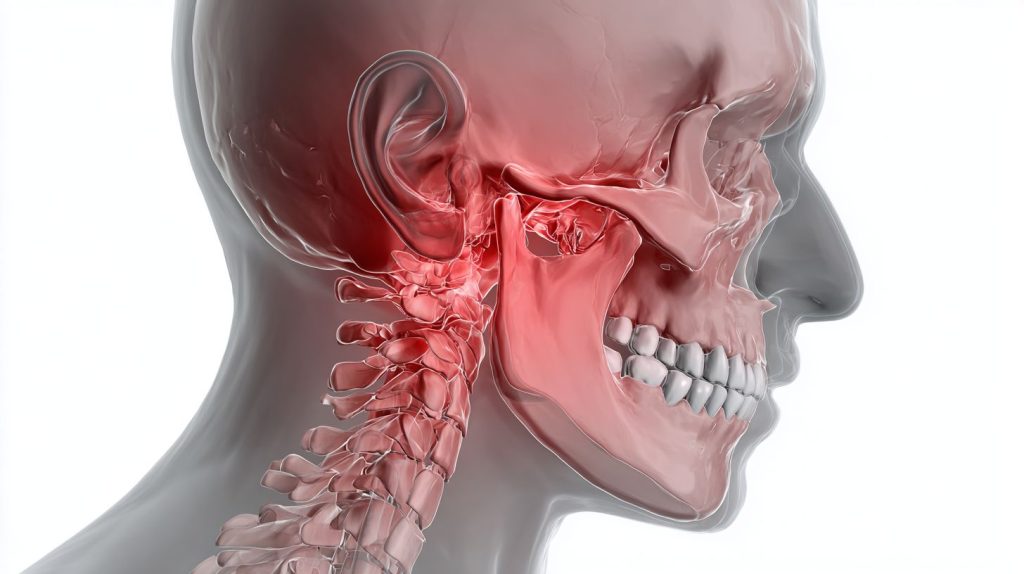

How TMJ Can Affect Your Teeth, Jaw, and Headaches
February 26, 2026
Veneers vs Whitening: Which Is Right for You?
March 5, 2026 Dr. Logan Reiter, DDS, a Maryland native and General Dentist in Matthews, North Carolina, specializes in preventive care, cosmetic dentistry, and restorative treatments.

Thinking about Invisalign for adults after 30? You’re not alone-life gets busier, and our bodies change in ways that affect how treatment works. This guide covers what shifts with bone density, gum health, and timelines, so you can make a practical plan that fits your routine.
Key Takeaways:
- After 30, denser bone slows tooth movement, potentially extending Invisalign treatment by 3-6 months compared to younger adults.
- Gum health declines with age, requiring pre-treatment assessments to ensure stable periodontal support for successful alignment.
- Adults over 30 achieve high success rates with Invisalign through strong compliance, despite lifestyle challenges like busy schedules.
Bone Density and Tooth Movement
Bone density naturally decreases with age, which can slow tooth movement during Invisalign treatment. Adults over 30 often have denser bone than teens, making it harder for teeth to shift into new positions. This change means treatment may take longer compared to younger patients.
Orthodontists address this by monitoring progress with periodic x-rays. These images help track bone remodeling and ensure aligners work effectively. Regular check-ins allow adjustments to keep treatment on course.
To enhance movement, providers may use attachments or elastics with Invisalign trays. Attachments act like small anchors on teeth, while elastics add force for tougher shifts, such as rotating molars. These tools help overcome bone resistance in adults.
A simple daily tip is to chew mastic gum for 10-15 minutes. This stimulates jawbone response and may aid remodeling. Combine it with consistent aligner wear for better results in Invisalign for adults over 30.
Gum Health Considerations
Gum health becomes more critical after 30 due to potential recession and sensitivity from lifelong wear. As adults age, gums may thin, making them vulnerable to pressure from Invisalign aligners. This can lead to irritation or soreness if not managed properly.
Aligner edges pressing on receding gum lines might cause discomfort during treatment. Experts recommend monitoring for signs like persistent redness or bleeding. Adjusting habits early helps maintain healthy gums throughout Invisalign for adults.
Take actionable steps to protect your gums. Use a soft toothbrush daily, incorporate a water flosser for gentle cleaning, and apply a prescription fluoride rinse as directed by your dentist.
- Switch to a soft-bristled toothbrush to avoid aggravating sensitive areas.
- Employ a water flosser to remove plaque without harsh scraping.
- Request a prescription fluoride rinse from your dentist for added protection.
Schedule dental cleanings every 3 months to catch issues early. Contact your orthodontist immediately for any persistent soreness. These steps ensure safer Invisalign treatment after age 30.
Compliance and Lifestyle Factors
Maintaining 20-22 hours daily wear proves challenging for busy professionals and parents using Invisalign. Adults over 30 often juggle work deadlines, family duties, and social events. These demands can disrupt the routine needed for straight teeth with Invisalign for Adults: What Changes After Age 30.
Building strong habits helps overcome these hurdles. Simple tools like phone reminders keep you on track. A discreet carrying case fits into any bag for on-the-go life.
Planning ahead turns compliance into a seamless part of your day. Track progress with quick daily check-ins to stay motivated. Most people notice a habit forming in about two weeks with consistent effort.
- Set phone alarms for wear time. Pick a sound you like and spend two minutes setting reminders for removal and reinsertion times.
- Use a discreet carrying case for travel. Keep it in your purse or briefcase to avoid forgetting aligners during trips or meetings.
- Plan meals around aligner removal. Schedule lunch breaks or dinners when you can easily take them out and rinse.
- Track compliance via app. Log your wear time in 30 seconds a day to see patterns and celebrate progress.
- Avoid the common mistake of eating with aligners. Rinse your mouth immediately after meals to prevent stains and maintain hygiene.
Invisalign Basics for Adults

Invisalign offers adults a discreet, removable alternative to traditional braces, using custom aligners to gradually straighten teeth. These clear, BPA-free plastic aligners fit snugly over teeth and apply gentle pressure to shift them into place. Adults change aligners every 1-2 weeks as treatment progresses.
One key benefit for adults is maintaining a professional appearance during treatment. Unlike metal braces, Invisalign aligners are nearly invisible, making them ideal for work meetings or social events. This discretion helps adults feel confident without drawing attention to their smile correction.
Easier oral hygiene sets Invisalign apart for busy adults. Remove the aligners to brush and floss normally, reducing risks of plaque buildup common with fixed braces. For example, enjoy a steak dinner without worrying about food trapped in wires.
Treatment planning uses advanced virtual scanning technology like iTero for precision. This creates a digital map of your mouth, showing expected tooth movements before starting. Costs typically range from $3,000 to $8,000, varying by case complexity and location, so consult your provider for a personalized quote.
Key Changes After Age 30
After age 30, natural aging processes can influence how Invisalign works, requiring adjustments for optimal results. Adults often notice shifts in oral health due to factors like reduced bone density and gum recession. These changes make teeth more susceptible to movement challenges.
Bone density in the jaw tends to decrease over time, which can slow tooth alignment. Gum recession exposes roots, potentially complicating aligner fit. Understanding these shifts helps set realistic expectations for Invisalign for Adults: What Changes After Age 30.
Consulting an orthodontist is essential for a personalized assessment. They evaluate your unique oral structure and recommend tailored plans. This approach ensures effective treatment despite age-related factors.
Practical examples include adults with mild crowding who benefit from extended wear times. Orthodontists might suggest supplemental tools like attachments for better grip. Always discuss your dental history for the best outcomes.
Treatment Duration Differences
Invisalign treatment for adults over 30 often extends longer than for younger patients due to biological factors. Teens typically complete treatment in 12-18 months, while adults may need 24-36 months for complex cases. This difference stems from slower tooth movement in mature jaws.
Several factors influence treatment duration in adults. Crowding severity plays a key role, as densely packed teeth resist shifting more than in teens. Prior dental work, like old fillings or crowns, can also slow progress by complicating aligner fit.
Adults should set realistic expectations with regular check-ins every 6-8 weeks. During these visits, orthodontists assess movement and adjust the plan. Tools like the myInvisalign app help track progress at home through photos and reminders.
For Invisalign for Adults: What Changes After Age 30, patience pays off. Complex bite issues common after decades of wear often require extra stages. Consistent wear of 20-22 hours daily ensures steady results despite the longer timeline.
Potential Challenges
Adults over 30 may face unique hurdles with Invisalign for adults that require proactive strategies. Busy lifestyles often make it hard to wear aligners for the recommended 20 to 22 hours daily. Age-related factors, like gum health or jaw changes, can add complexity to treatment.
Compliance issues arise from packed schedules with work, family, and social events. Forgetting to clean aligners or skipping wear time slows progress. Solutions include setting phone reminders for wear and cleaning routines.
Professionals recommend using aligner cases in every bag or desk drawer to avoid loss. Pairing treatment with habits like daily toothbrushing helps maintain consistency. Addressing these early keeps Invisalign for Adults: What Changes After Age 30 on track.
- Track wear time with a simple app or journal.
- Store backups of aligners at home and office.
- Plan meals around aligner removal to fit social life.
Managing these challenges ensures smoother results without frustration.
Success Rates and Outcomes
Invisalign delivers reliable results for adults over 30 when paired with consistent care and professional oversight. Adults in this age group often see effective tooth alignment with clear aligners. Factors like bone density and gum health play a role, yet outcomes remain strong.
Realistic expectations focus on gradual improvements tailored to individual needs. For mild crowding, patients notice straighter teeth within months. More complex cases, such as overbites, require longer treatment but yield noticeable changes with compliance.
Long-term retention is key to maintaining results, supported by Vivera retainers. Providers supply six sets for ongoing use. Patients wear them nightly indefinitely to prevent shifting, especially after age 30 when teeth may move more due to lifestyle habits.
Success hinges on regular check-ins, excellent hygiene, and full-time aligner wear. Skipping appointments or poor cleaning can slow progress. Committed adults achieve stable, aligned smiles that last.
Frequently Asked Questions
Invisalign for Adults: What Changes After Age 30?
After age 30, Invisalign for adults remains highly effective, but changes include slower tooth movement due to reduced bone density and gum elasticity. Treatment may take longer, often 12-24 months, and adults might need attachments or refinements more frequently to achieve optimal results.
Can Invisalign for Adults Over 30 Still Straighten Teeth Effectively?
Yes, Invisalign for adults after age 30 works well for most cases, though bone remodeling slows with age. Success depends on case complexity; severe crowding or bite issues may require hybrid treatments with traditional braces for efficiency.
Invisalign for Adults: What Changes After Age 30 Regarding Treatment Duration?
Treatment duration for Invisalign for adults often extends after age 30 because teeth shift more slowly and periodontal health can influence progress. Adults in their 30s+ typically wear aligners 20-22 hours daily, with total time averaging 18-30 months versus shorter for younger patients.
Are There More Risks with Invisalign for Adults After Age 30?
Invisalign for adults after age 30 carries minimal added risks if oral health is good, but gum recession or bone loss from prior issues can complicate outcomes. Pre-treatment periodontal evaluation is crucial to minimize root resorption or alignment challenges.
Invisalign for Adults: What Changes After Age 30 in Maintenance?
Post-treatment retention changes for Invisalign for adults after age 30; permanent retainers are often recommended due to higher relapse risk from ongoing facial changes and habits like grinding. Nightly retainer use becomes lifelong to maintain results.
How Does Cost of Invisalign for Adults Change After Age 30?
The cost of Invisalign for adults doesn’t drastically change after age 30, ranging $3,000-$8,000, but longer treatment or add-ons like extra aligners due to age-related slower movement can increase expenses. Insurance coverage varies, so adults should check for orthodontic benefits.