
How Long Does It Take to Get Veneers?
June 25, 2025
Do I Need a Crown After a Root Canal?
August 12, 2025 Dr. Logan Reiter, DDS, a Maryland native and General Dentist in Matthews, North Carolina, specializes in preventive care, cosmetic dentistry, and restorative treatments.
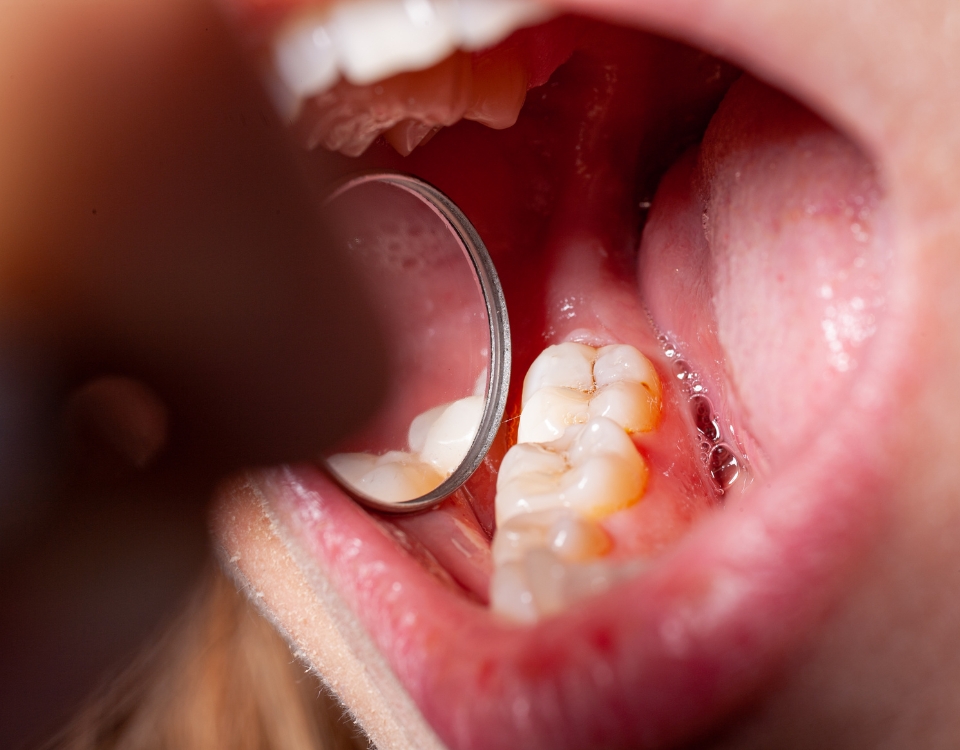
Cavities don’t form overnight. They start small—with early warning signs that are easy to overlook but even easier to treat if caught in time. Acting early can save you from needing more invasive (and expensive) procedures later.
At Trailhead Advanced Dentistry, we believe in proactive dental care. Here’s what you need to know about treating early signs of a cavity before it becomes a bigger problem.
1. Spot the Early Signs of a Cavity
Cavities begin when acids from bacteria weaken your enamel. The early stage, known as enamel demineralization, doesn’t cause pain at first—but the signs are there:
- Tooth sensitivity to cold, hot, or sweet foods
- Chalky white spots on the enamel
- Mild pain when chewing or biting
- Floss snagging between teeth
- Persistent bad breath or a bad taste
If you’re experiencing any of these symptoms, it’s time to book a professional evaluation. Our Matthews dental team can assess the damage early and help you avoid fillings or more serious procedures.
2. What to Do When You Notice a Problem
The most important first step is to schedule a dental exam. We use advanced digital dentistry tools to catch early decay that may not be visible to the naked eye.
Your dentist might recommend:
- Fluoride treatments to help strengthen weakened enamel
- Dental sealants on deep grooves and pits
- Dietary adjustments to reduce acid exposure and sugar
- More frequent cleanings if you’re at higher risk
Early intervention can reverse or halt early-stage cavities without needing a filling.
3. At-Home Treatments to Support Early Cavity Care
While professional care is essential, your daily habits play a huge role in preventing cavities from progressing:
- Brush twice daily with fluoride toothpaste
- Floss every day to remove plaque between teeth
- Use fluoride or remineralizing mouthwash
- Try remineralizing toothpaste with ingredients like hydroxyapatite or xylitol
- Limit sugary and acidic foods
- Drink more water to boost saliva production and rinse away bacteria
4. Can You Reverse a Cavity?
In its earliest stage, yes—you can often stop a cavity from getting worse. This is called remineralization, and it works best when the decay hasn’t yet formed a hole in the tooth.
However, once the enamel is breached and the cavity forms a physical hole, a filling or restorative treatment becomes necessary. Waiting too long often leads to more involved procedures like crowns or root canals.
Learn more about our restorative dentistry options if decay has progressed past the point of reversal.
5. The Cost of Waiting
When cavities go untreated, they grow deeper and start affecting the inner tooth structure (dentin and pulp). This can lead to:
- Larger, more expensive tooth fillings
- Dental crowns or onlays
- Root canal therapy
- Tooth extraction in extreme cases
Not only do these treatments cost more, but they can also cause more discomfort and recovery time. Early action is always the best strategy.
Final Thoughts: Catch Cavities Early, Stay Ahead of Decay
The best way to protect your smile is to stay on top of routine dental care. Schedule checkups every 6 months, maintain excellent at-home hygiene, and pay attention to any subtle changes in your teeth.
If you think you’re experiencing the early signs of a cavity, don’t wait. Contact Trailhead Advanced Dentistry today to schedule an appointment and stop decay before it starts.
Call us or request your appointment online. Your future smile will thank you.