
Early Signs of Gum Disease You Shouldn’t Ignore
February 17, 2026
Whitening Myths That Can Damage Enamel
February 24, 2026 Dr. Logan Reiter, DDS, a Maryland native and General Dentist in Matthews, North Carolina, specializes in preventive care, cosmetic dentistry, and restorative treatments.

Dealing with a missing tooth and wondering about dental implants vs bridges? You’re smart to think about the long-term costs and health impacts, not just the upfront price. This comparison breaks it down practically, so you can pick the option that fits your life and budget best.
Key Takeaways:
- Implants cost more upfront ($3,000-$5,000 per tooth) than bridges ($2,000-$5,000), but last 15+ years vs. bridges’ 5-15 years, often saving money long-term.
- Implants preserve jawbone and don’t damage adjacent teeth, unlike bridges which can cause bone loss and require healthy neighboring teeth to be ground down.
- Over 20 years, implants average $150-$250/year including maintenance; bridges exceed $300/year due to frequent repairs and replacements.
Overview of Dental Implants
Dental implants offer a permanent solution mimicking natural teeth, consisting of a titanium post surgically placed into the jawbone to support a custom crown. This three-part structure includes the post, an abutment, and the crown. It provides stability that dental bridges often lack in long-term comparisons.
The implantation process starts with a thorough exam and imaging to plan placement. Surgeons then insert the titanium post into the jawbone under local anesthesia. After this, a healing period allows osseointegration, where bone fuses with the post for a strong foundation.
Next, the abutment connects the post to the crown, which is shaped to match surrounding teeth. Common materials like titanium or zirconia ensure biocompatibility and durability. These choices reduce rejection risks and support lifelong use.
Imagine a simple diagram: a cross-section of the jaw showing the titanium post embedded in bone, the abutment rising above the gumline, and the custom crown on top. This visual highlights why implants excel in health and cost over bridges long-term, preserving bone and function.
Overview of Dental Bridges
Dental bridges fill gaps from missing teeth by anchoring prosthetic teeth to adjacent healthy teeth or implants. They restore function and appearance without replacing the root structure. This makes them a common choice in dental implants vs bridges comparisons.
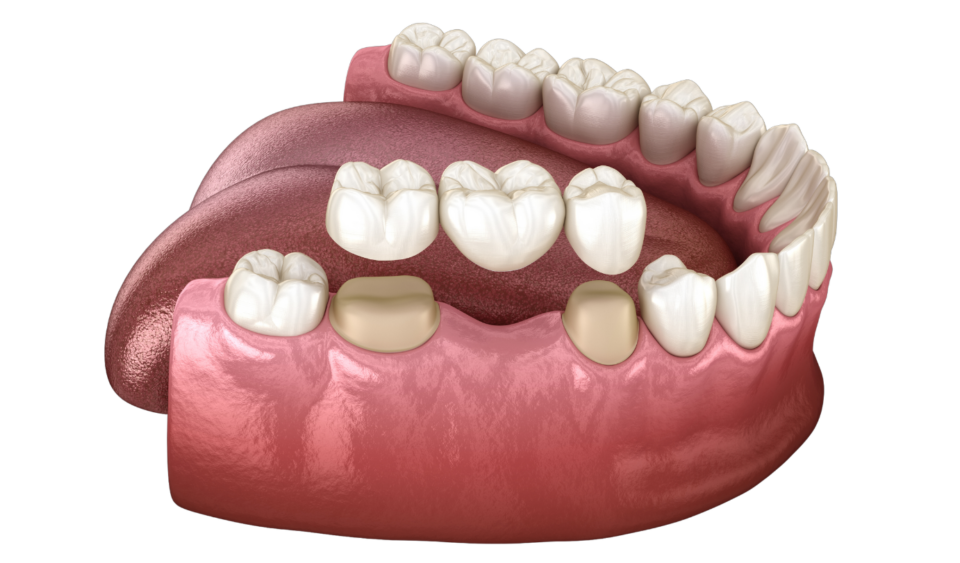
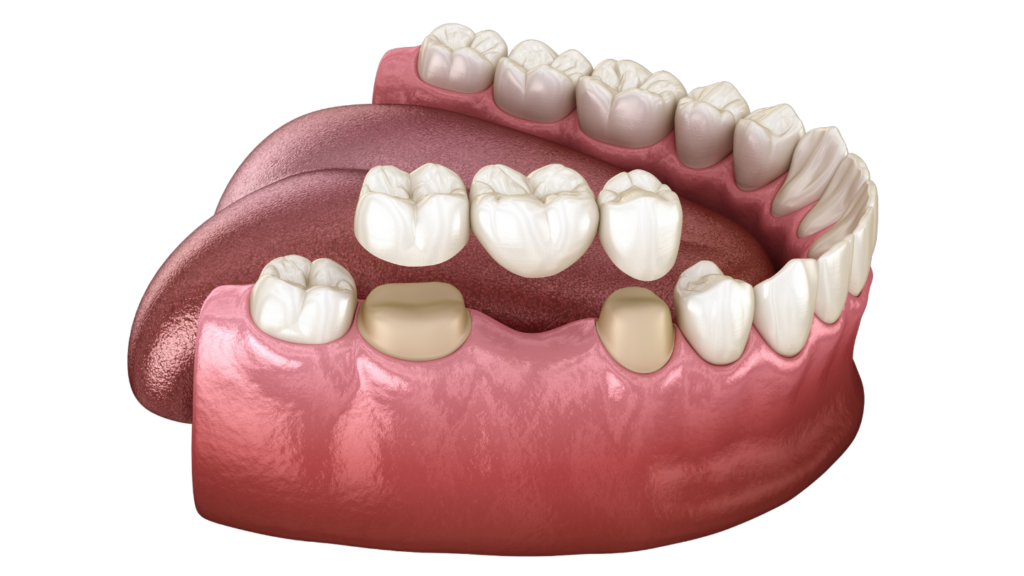
Bridges come in several types to suit different needs. Traditional bridges use crowns on teeth on both sides of the gap. Cantilever bridges anchor to one side only, while Maryland bridges bond to the back of adjacent teeth with minimal preparation.
Materials include porcelain-fused-to-metal for strength and natural looks, and all-ceramic options for better aesthetics in visible areas. Your dentist selects based on location and bite forces. These choices affect long-term durability in health comparisons.
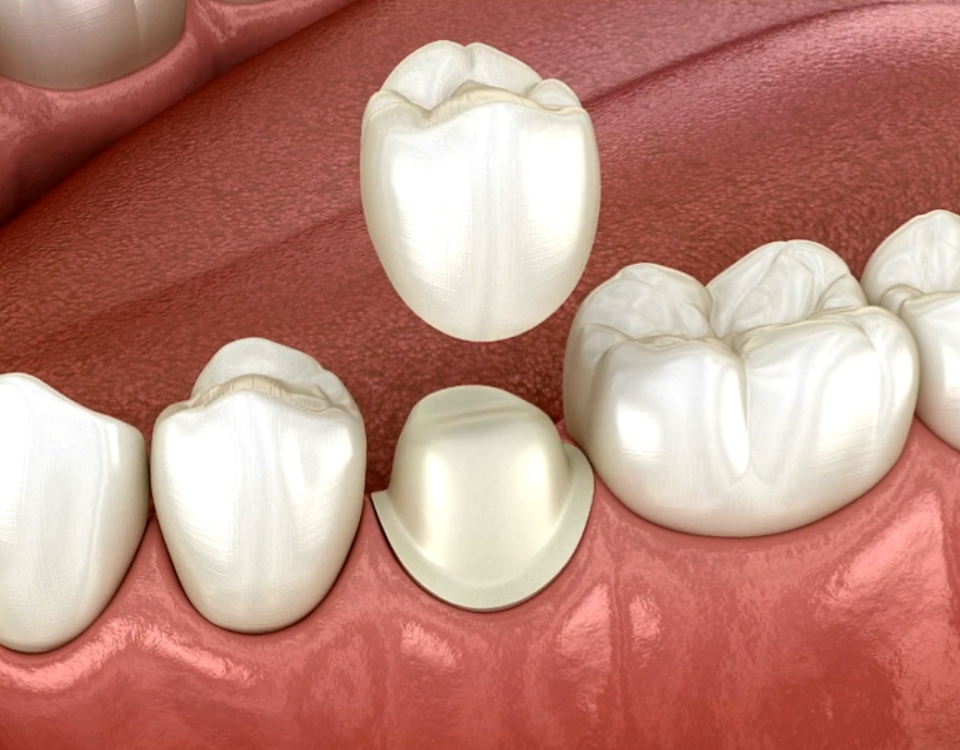
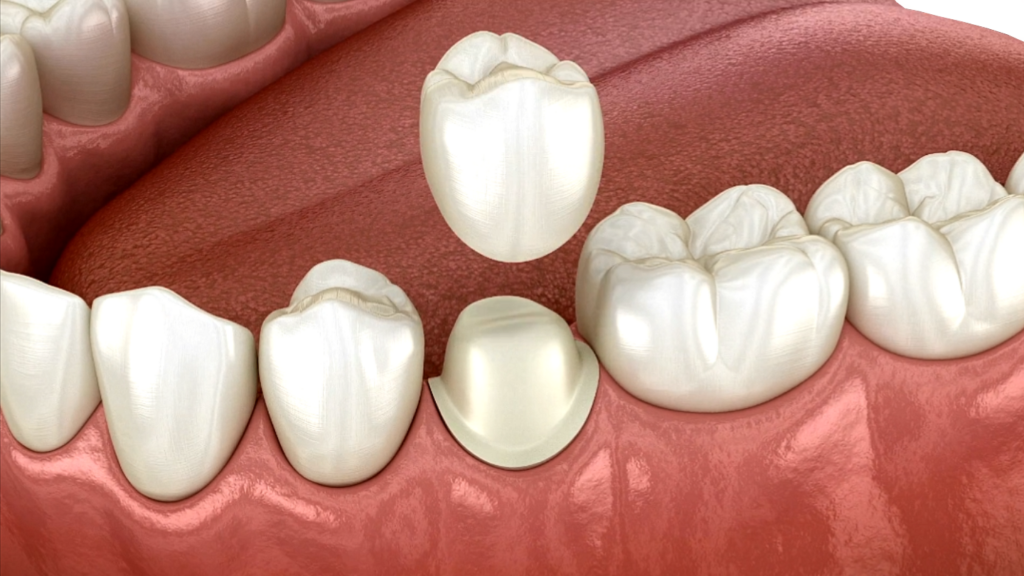
The preparation process starts with tooth reduction on adjacent teeth to make room for crowns. Impressions capture the shape for lab fabrication, and temporary bridges protect the area. Unlike implants, bridges avoid surgery, allowing quicker placement in weeks.
Types of Dental Bridges
Traditional bridges span the gap with a pontic supported by crowns on both sides. They work well for single missing teeth in the back. This type distributes chewing forces evenly across healthy teeth.
Cantilever bridges attach to one adjacent tooth, often used for front teeth with strong support. They require careful planning to avoid uneven stress. Maryland bridges use a metal or ceramic framework bonded to lingual surfaces with resin.
Each type fits specific cases, like replacing a lower incisor with a Maryland bridge. Dentists assess bone health and tooth position first. In dental implants vs bridges debates, bridges offer faster results but rely on neighboring teeth.
Materials Used in Bridges
Porcelain-fused-to-metal combines a metal substructure with porcelain for lifelike color and strength. It resists fracture under heavy bite pressure. Ideal for molars where durability matters most.
All-ceramic bridges, like zirconia or e-max, provide full translucency without metal show-through. They suit anterior areas for seamless smiles. Material choice impacts gum health over time.
Experts recommend matching materials to patient habits, such as avoiding ceramics for teeth grinders. Regular checks prevent wear issues. This factor influences long-term cost and health in bridge vs implant choices.
Preparation and Placement Process
Preparation begins with numbing the area and reshaping adjacent teeth by removing enamel, typically 1-2 mm. This creates space for the bridge without pain during the procedure. Impressions follow using digital scanners or trays.
The lab crafts the custom bridge in 1-2 weeks. You wear a temporary to maintain alignment and protect teeth. Final placement involves cementing the bridge after adjustments for fit and bite.
Compared to implants, this non-surgical approach means less recovery time and no bone grafting. Patients resume eating soon after. Weigh this speed against long-term health in dental implants vs bridges decisions.
Initial Costs Comparison
Initial costs for dental implants vs bridges vary based on location, materials, and complexity, with implants typically requiring higher upfront investment due to surgery. A single implant often falls in the $3,000-$5,000 range in the US, covering surgery, abutment, and crown. Bridges for a 3-unit replacement usually range from $2,000-$5,000.
Several factors influence these prices. The number of teeth replaced affects both options, as multiple implants raise surgical fees. Additional costs like sedation or advanced imaging also add up quickly for implants.
Insurance coverage differs significantly in this dental implants vs bridges comparison. Many plans cover more of a bridge as a standard procedure, while implants may qualify only partially as a cosmetic option. Patients often explore financing through services like CareCredit to spread payments.
| Procedure | Average US Cost Range | Key Components Included |
|---|---|---|
| Single Dental Implant | $3,000-$5,000 | Surgery, abutment, crown |
| 3-Unit Bridge | $2,000-$5,000 | Two crowns supporting one pontic |
Factors Affecting Implant Costs
Dental implant costs depend on bone health and location in the mouth. Front teeth implants may need custom abutments, increasing fees. Practices in urban areas often charge more due to higher overhead.
Sedation options like IV or oral add $200-$800 typically. Pre-op imaging, such as CBCT scans, ensures precise placement but raises the total. Custom materials like zirconia crowns cost extra over basic porcelain.
Complex cases with bone grafting push prices higher. Dentists recommend consulting for personalized quotes in dental implants vs bridges decisions. This upfront detail helps budget accurately.
Factors Affecting Bridge Costs
Bridge prices hinge on the number of units and supporting teeth health. A 3-unit bridge suits one missing tooth, but longer spans require more crowns and precision. Materials like porcelain-fused-to-metal keep costs lower than all-ceramic.
Preparation of adjacent teeth involves reshaping, which adds lab fees. If gums need contouring, expect minor increases. Rural practices often offer more affordable rates than city ones.
Insurance typically views bridges as essential care, covering a larger portion than implants. For long-term cost and health comparison, factor in these variables early. Discuss options with your dentist for the best fit.
Long-Term Cost Analysis
Over time, dental implants often prove more cost-effective than bridges due to their durability and minimal ongoing needs. Implants can last 15 years or more with proper care, while bridges typically endure only 5 to 15 years before needing attention. This difference shifts focus to total cost of ownership, including maintenance and replacements over a lifetime.
Initial implant placement costs more upfront, but fewer interventions follow. Bridges require adjacent teeth to support them, leading to potential complications down the line. Experts recommend viewing costs through a long-term lens in any dental implants vs bridges comparison.
Replacement cycles amplify bridge expenses, as gum disease or wear often demands full redo. Implants preserve natural bone and function independently, reducing future dental bills. Proper oral hygiene maximizes these savings for both options.
Consider a patient needing to replace three missing teeth. Implants might involve one-time work per tooth, while bridges span gaps and fail as a unit. This makes implants a smarter financial choice over decades.
Maintenance and Replacement
Bridges demand regular upkeep and eventual replacement, driving up long-term expenses compared to low-maintenance implants. Implant care involves daily brushing and flossing plus 6-month hygienist visits, keeping annual costs modest. Bridges face risks like decay under crowns or food traps near the pontic, often leading to costly repairs.
Cleaning under bridge crowns proves challenging without special tools, inviting plaque buildup. Implants mimic natural teeth, allowing standard hygiene routines. This simplicity cuts down on unexpected dental visits over time.
Bridges commonly need full replacement every 7 to 10 years due to supporting tooth wear or gum issues. Implants rarely require such overhauls with good care. Sample 10-year totals highlight the gap: implants around installation plus basic maintenance, versus bridges with repairs and redo.
- Use floss threaders daily under bridges to prevent decay.
- Schedule professional cleanings every 6 months for both options.
- Avoid hard foods that stress bridge supports.
- Monitor for loose crowns or gum inflammation early.
Health Benefits: Implants
Dental implants promote optimal oral health by preserving jawbone and functioning like natural teeth. Unlike bridges, they integrate directly with the bone through a process called osseointegration. This mimics the root of a natural tooth.
The primary benefit is preventing bone resorption. When a tooth is lost, the jawbone can deteriorate without stimulation. Implants provide constant pressure during chewing, maintaining bone density over time.
Implants have no impact on neighboring teeth, preserving their health unlike bridges that require grinding down healthy teeth for support. They also maintain proper bite alignment, reducing wear on other teeth and preventing shifts in jaw position.
- Supports facial structure by preventing the sunken look from bone loss.
- Allows confident chewing of tough foods like nuts or steak without worry.
- Uses FDA-approved titanium, known for its biocompatibility and long-term stability.
For longevity, follow hygiene tips like brushing twice daily, flossing around the implant base, and scheduling regular dental check-ups. Patients often report improved quality of life, enjoying meals without discomfort in Dental Implants vs Bridges comparisons.
Health Risks: Bridges
While effective short-term, dental bridges carry risks that can compromise surrounding oral structures over time. These restorations require grinding down healthy adjacent teeth to anchor the bridge, which exposes them to higher decay risk. They also fail to stimulate the jawbone, leading to gradual bone resorption.
Over years, this lack of root-like pressure causes the bone beneath the bridge site to shrink. Food particles often trap under the bridge, promoting plaque buildup and gum irritation. In the context of dental implants vs bridges, these issues highlight why bridges may not serve as the best long-term solution for tooth replacement.
Patients might notice loose fittings or discomfort as problems develop. Regular cleanings help, but the design limitations persist. Addressing these early prevents more invasive treatments later.
Bone Loss and Adjacent Teeth
Bridges contribute to jawbone loss since they fail to replicate tooth root pressure, unlike implants. Without this stimulation, the bone resorbs over time, changing facial structure and stability of nearby teeth. Research suggests this process accelerates in the first year after tooth loss.
Grinding healthy enamel for bridge anchors weakens adjacent teeth significantly. Experts recommend monitoring these teeth closely, as they become prone to cracks and decay. For example, a patient with a three-unit bridge might face repeated fillings on the supporting teeth within a few years.
Food traps under bridges also raise gum disease risk, leading to inflammation and potential tooth loss. Warning signs include a shifting bite, pain when chewing, or visible gaps. Early detection through dental exams allows intervention.
- Schedule checkups every six months to spot bone loss early.
- Consider bone grafts for advanced resorption cases.
- Explore implant conversion to halt further damage and restore natural function.
Frequently Asked Questions
What is the main difference in long-term durability between dental implants and bridges in the ‘Dental Implants vs Bridges: Long-Term Cost and Health Comparison’?
Dental implants are typically more durable, lasting 15-25 years or a lifetime with proper care, as they replace the tooth root and integrate with the jawbone. Bridges, however, last 5-15 years and may need replacement due to decay or gum issues affecting supporting teeth, making implants superior for long-term health preservation in the ‘Dental Implants vs Bridges: Long-Term Cost and Health Comparison’.
How do dental implants and bridges compare in initial costs within ‘Dental Implants vs Bridges: Long-Term Cost and Health Comparison’?
In ‘Dental Implants vs Bridges: Long-Term Cost and Health Comparison’, implants have a higher upfront cost ($3,000-$5,000 per tooth) compared to bridges ($2,000-$5,000 for 3-unit bridge). However, bridges often require multiple replacements over time, potentially equaling or exceeding implant costs long-term.
What are the long-term health benefits of choosing dental implants over bridges according to ‘Dental Implants vs Bridges: Long-Term Cost and Health Comparison’?
Dental implants promote jawbone health by preventing bone loss, unlike bridges which can lead to bone resorption under the gap and stress on adjacent teeth. This makes implants better for overall oral health in the ‘Dental Implants vs Bridges: Long-Term Cost and Health Comparison’, reducing risks of gum disease and further tooth loss.
Which option is more cost-effective over 20 years in ‘Dental Implants vs Bridges: Long-Term Cost and Health Comparison’?
Over 20 years, dental implants are often more cost-effective in ‘Dental Implants vs Bridges: Long-Term Cost and Health Comparison’ because they rarely need replacement, while bridges may require 2-3 replacements plus additional treatments for supporting teeth, leading to higher cumulative costs and potential health complications.
How do maintenance costs factor into ‘Dental Implants vs Bridges: Long-Term Cost and Health Comparison’?
In ‘Dental Implants vs Bridges: Long-Term Cost and Health Comparison’, implants have lower long-term maintenance costs with routine cleanings similar to natural teeth. Bridges demand more frequent check-ups and repairs due to plaque buildup under the pontic and wear on abutment teeth, increasing overall expenses and health risks over time.
What long-term health risks are associated with bridges versus implants in ‘Dental Implants vs Bridges: Long-Term Cost and Health Comparison’?
Bridges in ‘Dental Implants vs Bridges: Long-Term Cost and Health Comparison’ can cause enamel wear, decay, or loss of supporting teeth, plus jawbone deterioration. Implants avoid these by mimicking natural teeth, supporting better periodontal health and bite alignment without compromising neighboring structures.